Hmong History
Hmong History
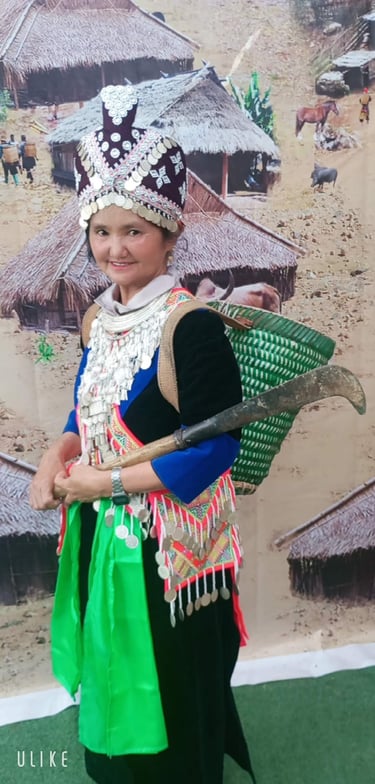
The Hmong are an ethnic group with a long and complex history in East and Southeast Asia. Historical records and oral tradition place the early presence of Hmong people in regions of what is now southern China, where they lived for centuries as farming communities with distinct language, social structures, and cultural practices. Over time, pressure from expanding states, conflict, and competition for land contributed to gradual migration southward.
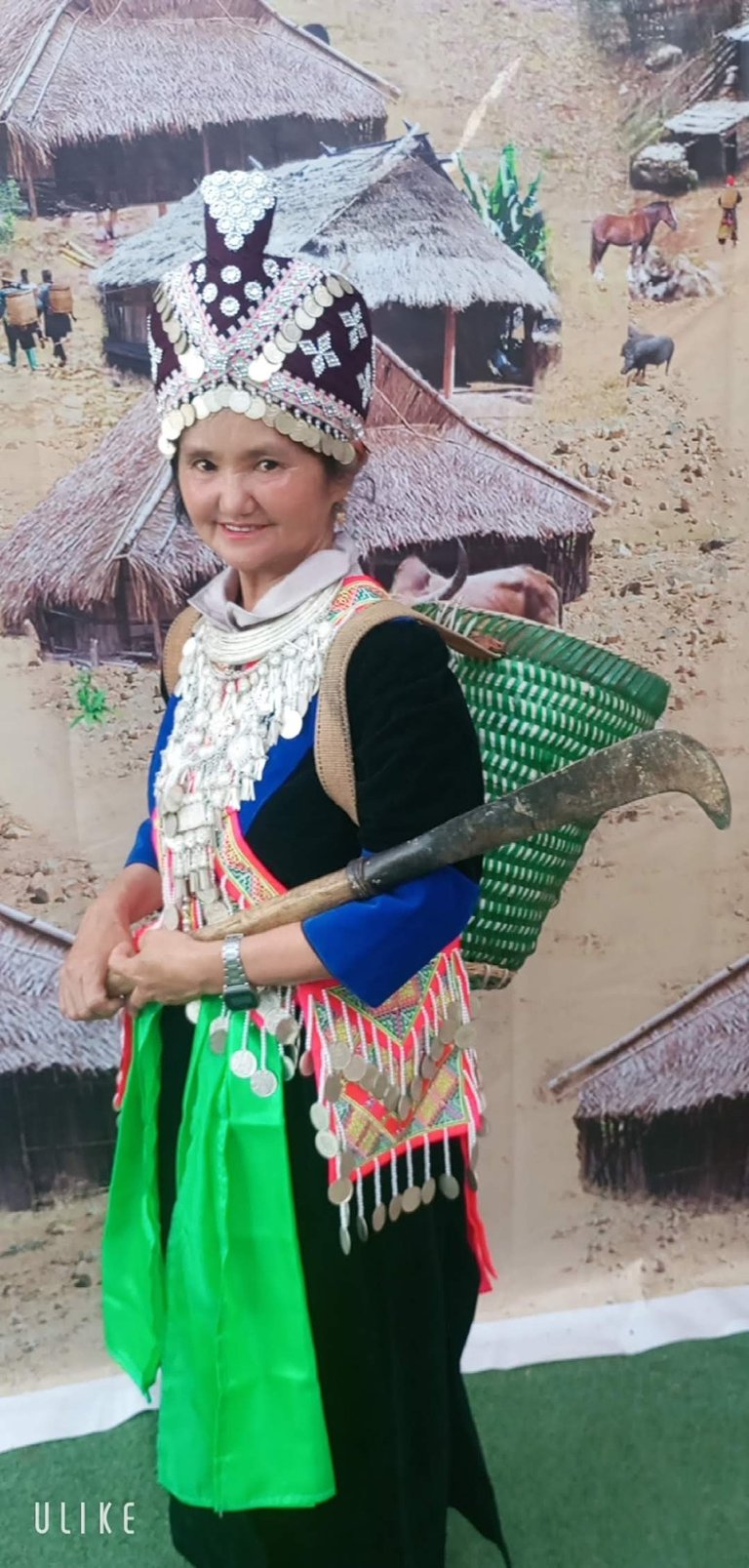
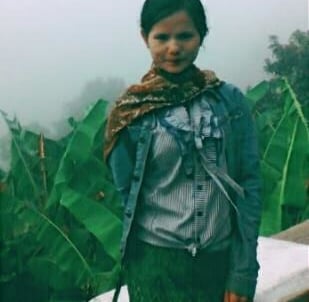
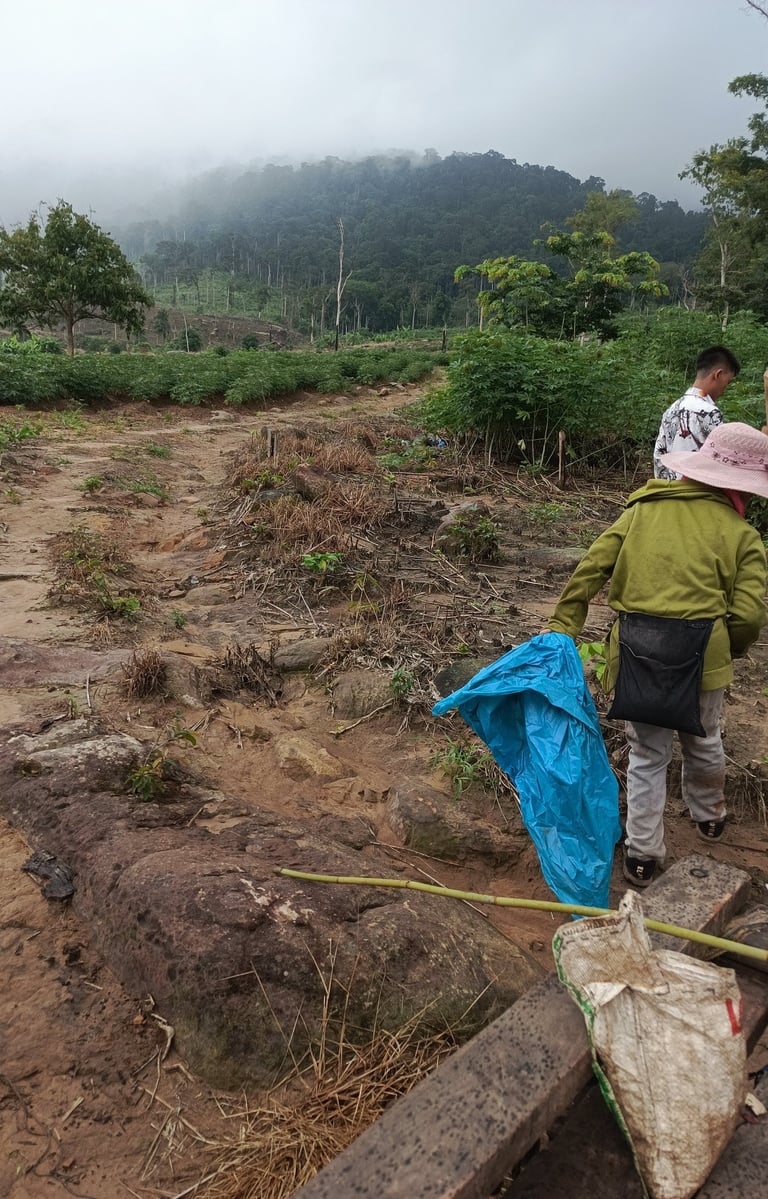
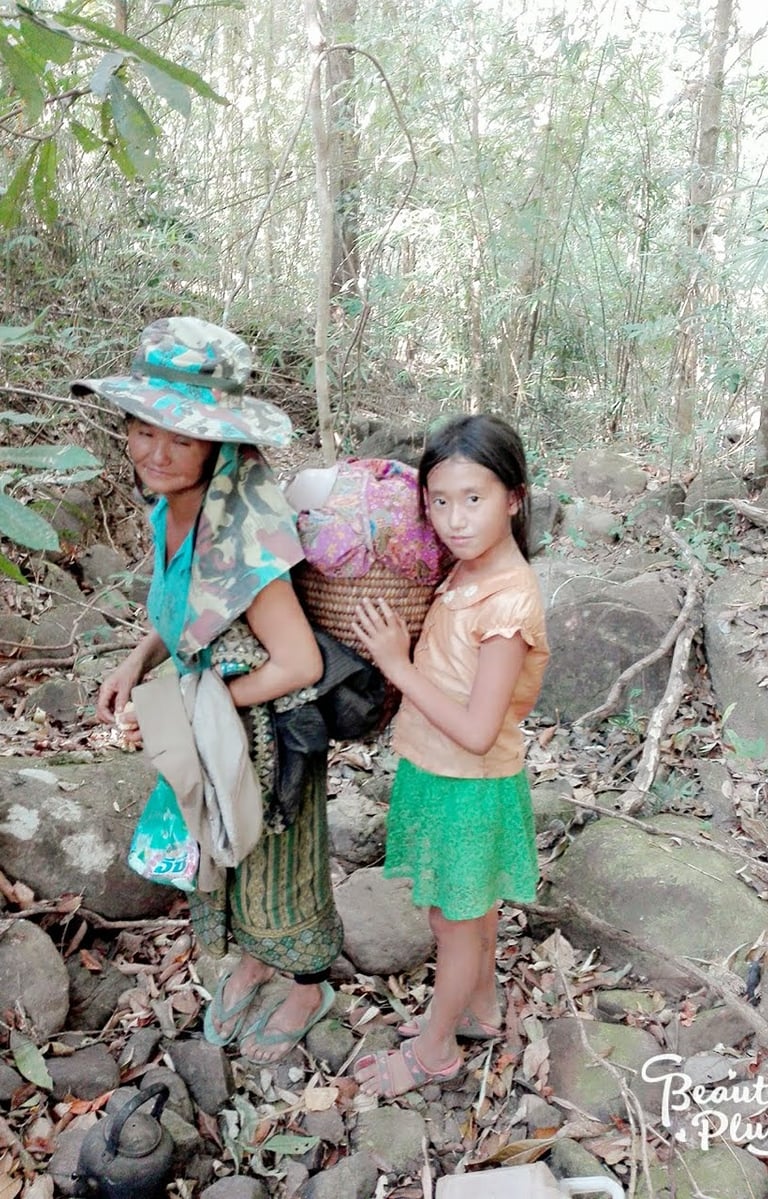
From the eighteenth and nineteenth centuries onward, many Hmong groups migrated into mountainous areas of present-day Laos, Vietnam, Thailand, and Myanmar. These highland regions allowed Hmong communities to maintain a degree of autonomy, preserving clan systems, agricultural practices, and cultural traditions. Farming, particularly shifting cultivation, became central to Hmong economic and social life, alongside strong kinship networks organised around clans.
In the twentieth century, Hmong history was profoundly shaped by war and political upheaval in Southeast Asia. During the conflicts in Indochina, including the Vietnam War period, many Hmong in Laos were drawn into regional and international struggles. The aftermath of these conflicts led to displacement, hardship, and large-scale migration. Significant numbers of Hmong people resettled in countries such as the United States, France, Australia, and elsewhere, forming global diaspora communities.
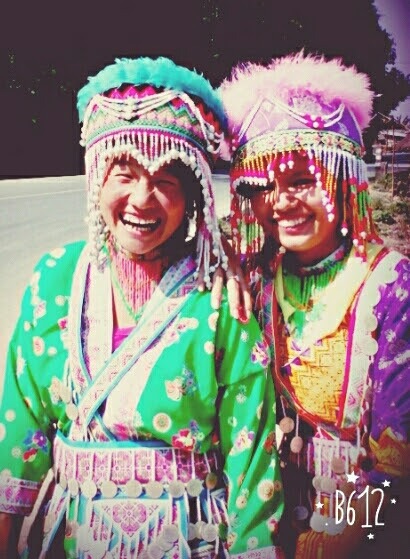
Today, Hmong communities exist across multiple countries, balancing cultural continuity with adaptation to new social and political environments. Despite historical disruption and migration, many core aspects of Hmong identity—language, clan affiliation, family obligation, and cultural ritual—remain central to Hmong life. Hmong history is therefore not only a story of movement and survival, but also of continuity, resilience, and cultural persistence across generations.
My Hmong Family Organisation
Contact
info@myhmongfamily.com
© 2026. All rights reserved.
+8562096609440