Hmong Culture
Hmong Culture
Hmong culture is shaped by strong family ties, shared history, and traditions passed down through generations. It is centred on clan relationships, collective responsibility, and a clear sense of belonging within a wider family structure. Identity is closely connected to clan affiliation, which influences marriage, social support, and decision-making. Respect for elders and loyalty to family remain foundational values, and individuals are generally understood as part of an interconnected community rather than as isolated individuals.
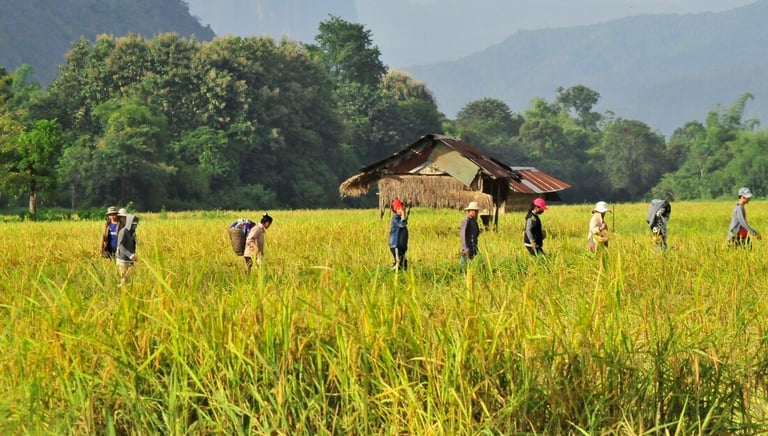
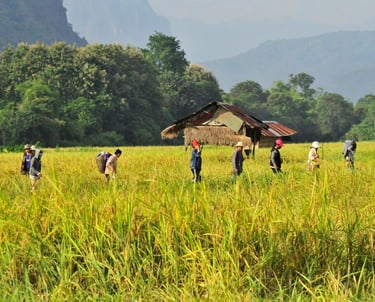
Traditionally, Hmong life has been closely linked to agriculture and the natural environment. Farming in mountainous regions shaped daily routines, seasonal rhythms, and social organisation. Practical knowledge, craftsmanship, and self-reliance have long been valued, with skills transmitted within families rather than through formal institutions. Textile work, farming techniques, music, and oral storytelling are all examples of knowledge preserved and developed across generations.
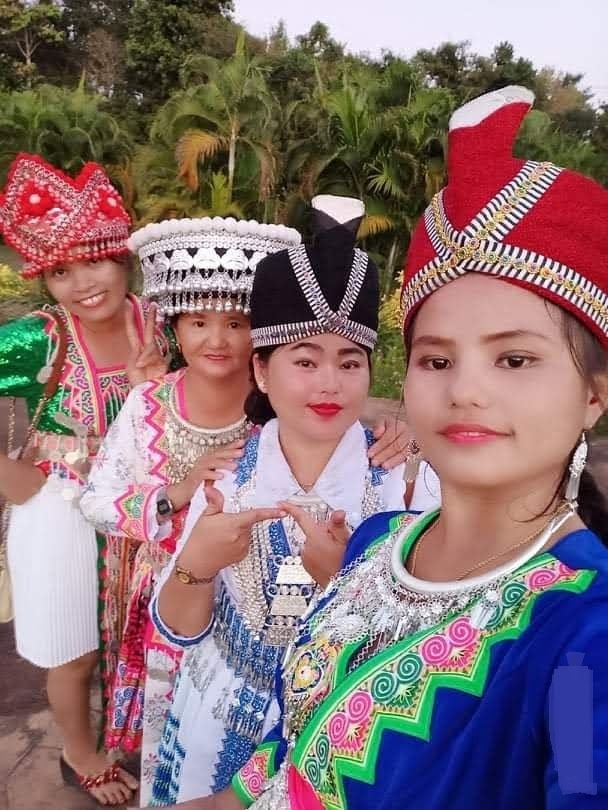
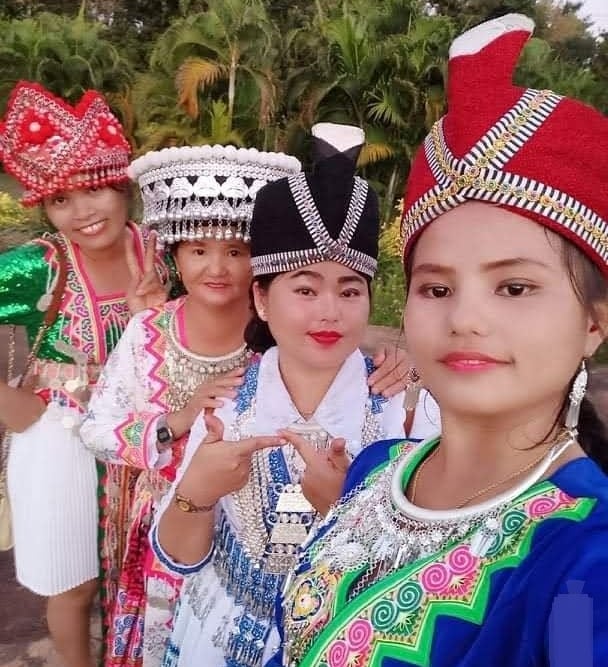
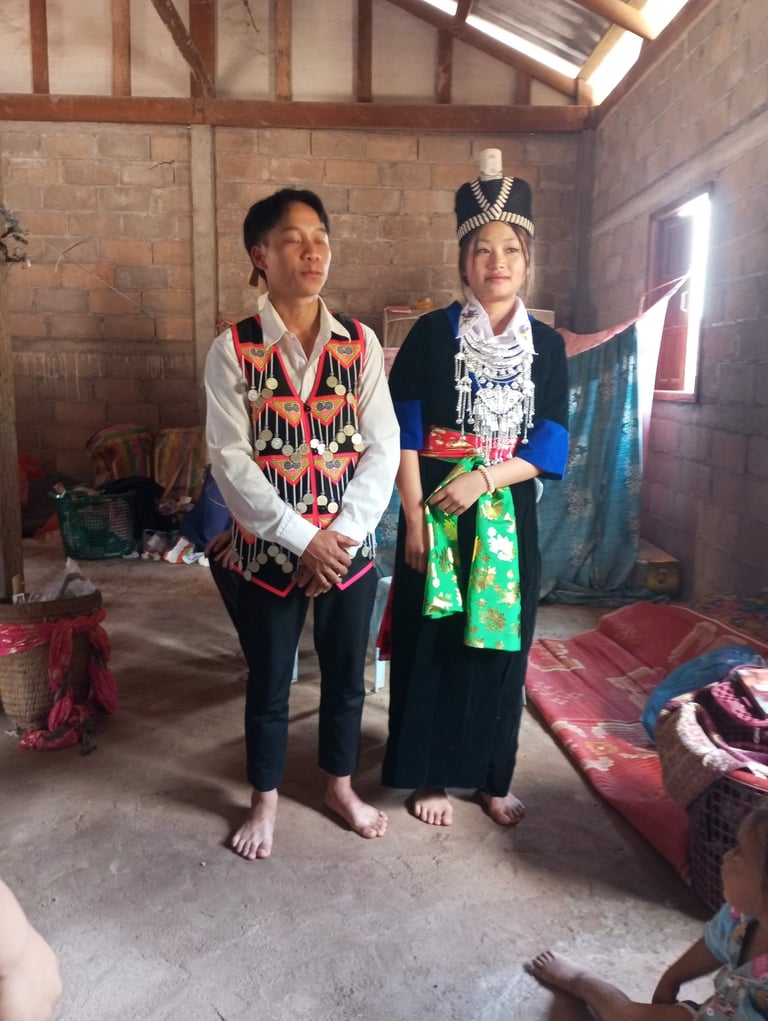
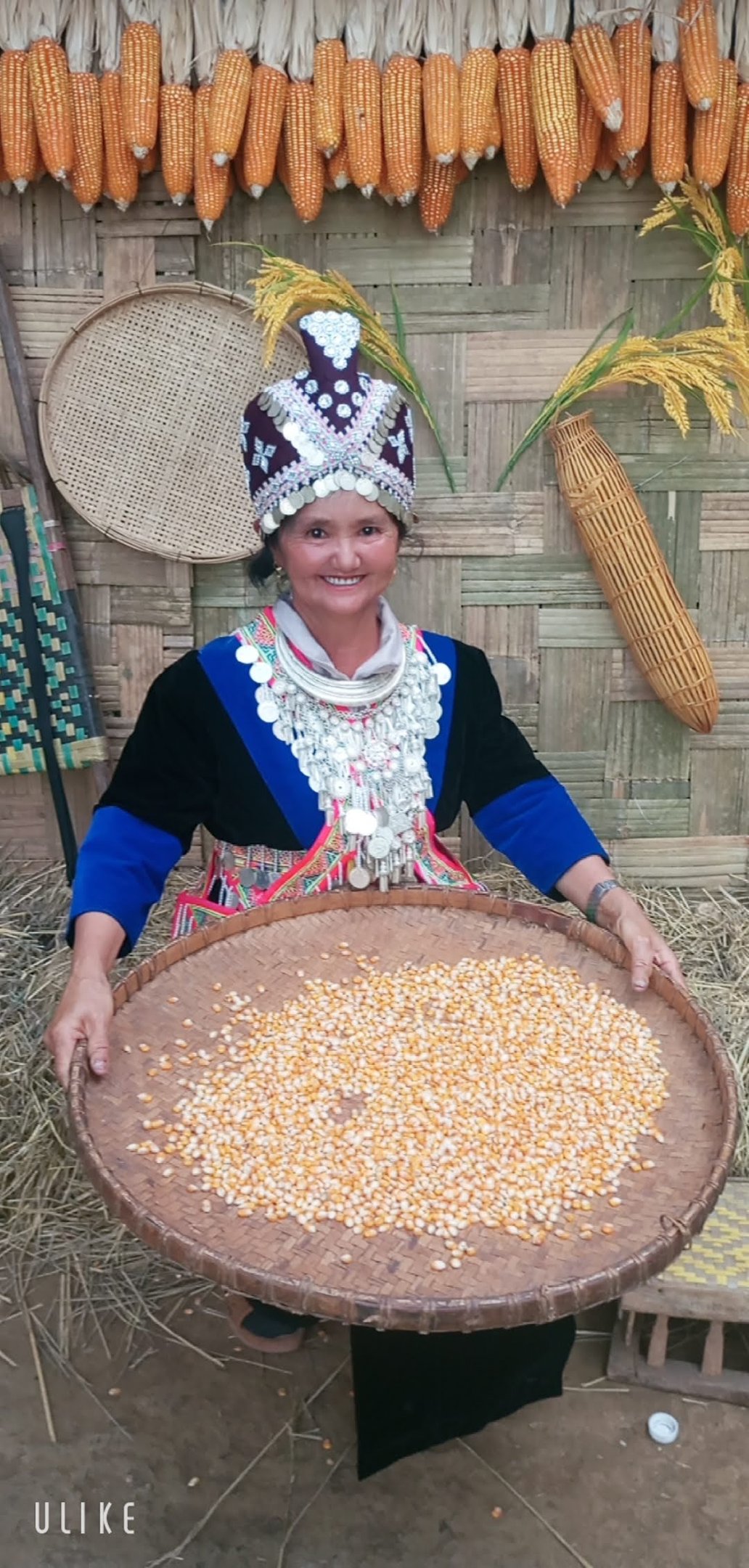
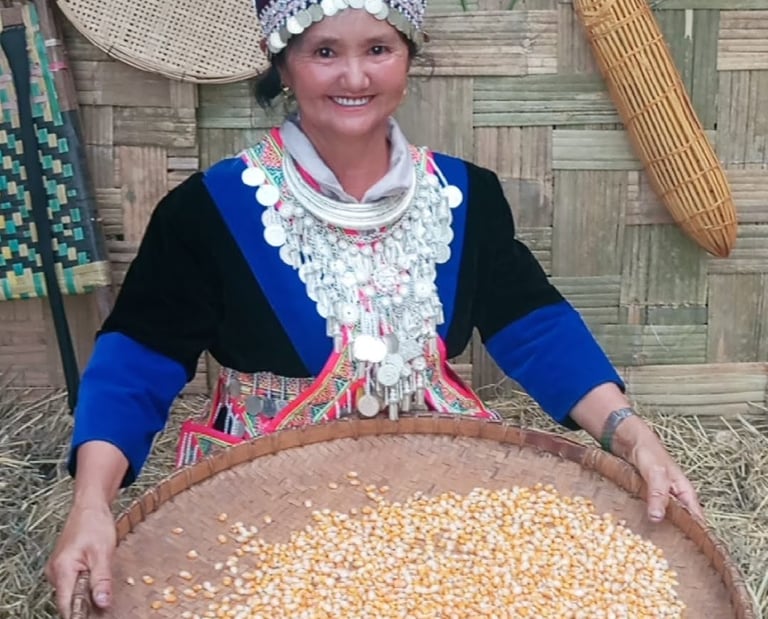
Hmong cultural expression is particularly visible through clothing and design. Embroidery, textile patterns, and traditional dress are not simply decorative but reflect identity, regional heritage, and life stages. Colour, pattern, and craftsmanship carry meaning, and attention to detail is widely recognised as a mark of skill and cultural pride.
Historically, spiritual belief has also played an important role in Hmong life, often centred on ancestral connection, ritual practice, and maintaining balance between the physical and spiritual worlds. Ceremonies marking birth, marriage, illness, and death continue to hold significance in many communities. Over time, these traditions have interacted with other belief systems, including Christianity, resulting in diverse contemporary expressions of faith and practice.
Today, Hmong culture continues to evolve. Migration, education, and modern economic life have reshaped how traditions are practiced and understood. While customs may adapt, core values around family, identity, and mutual obligation remain strong. Hmong culture is therefore best understood as a living system—rooted in history, shaped by experience, and carried forward by each generation.
My Hmong Family Organisation
Contact
info@myhmongfamily.com
© 2026. All rights reserved.
+8562096609440